

Introduction
Military aviation, while essential for national defense, carries inherent risks due to the complexity of aircraft, challenging missions, and high-performance operations. Accidents, though unfortunate, have historically provided critical lessons that improve safety, training, and operational procedures.
Common Causes of Military Aviation Accidents
Military aviation accidents can result from a variety of factors, including:
- Mechanical Failures: Engine malfunctions, structural defects, or system failures can lead to catastrophic outcomes.
- Human Error: Pilot misjudgment, miscommunication, or inadequate training is a leading cause of accidents.
- Environmental Conditions: Adverse weather, low visibility, and challenging terrain can complicate operations.
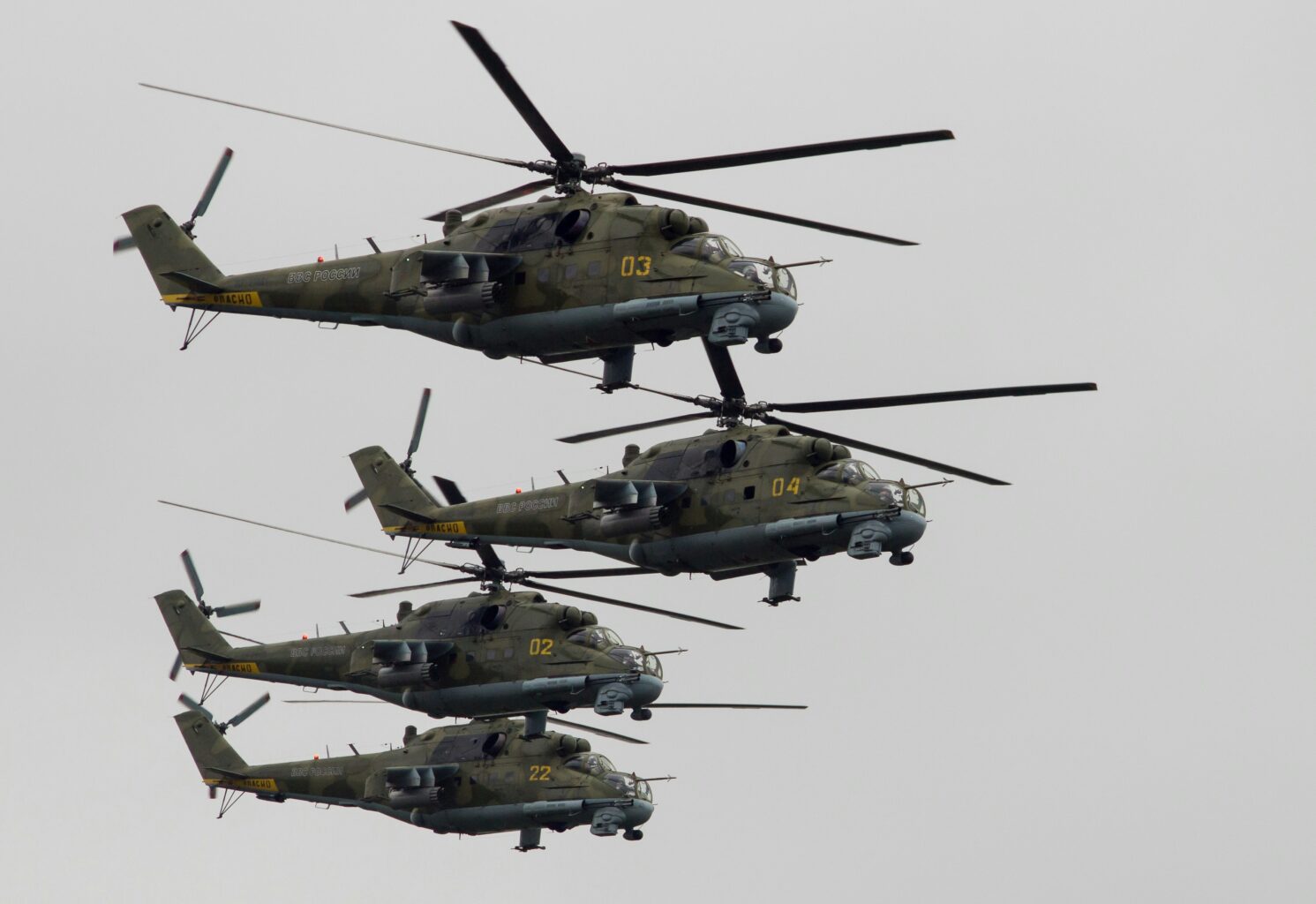
- Operational Hazards: High-speed maneuvers, formation flying, and combat missions increase the risk of accidents.
Historical Examples and Lessons
Several high-profile incidents have driven improvements in military aviation safety:
- Cold War Era Accidents: Mid-air collisions and mechanical failures led to stricter maintenance protocols and improved air traffic control for military flights.
- Vietnam War Experiences: Helicopter and fighter losses highlighted the need for better pilot training, emergency egress systems, and medical evacuation procedures.
- Modern Jet Crashes: Recent accidents involving advanced fighters and transport aircraft have prompted enhancements in avionics reliability, automated safety systems, and crew resource management.
Training and Safety Improvements
Accident analysis has led to significant improvements in pilot training and operational procedures:
- Enhanced Simulators: Modern simulators replicate emergency scenarios, allowing pilots to practice responses without real-world risk.
- Crew Resource Management (CRM): Emphasizing communication and teamwork among flight crews reduces human error.
- Standardized Maintenance Protocols: Rigorous inspection schedules and predictive maintenance prevent mechanical failures before they occur.
Technological Innovations
Advancements in technology have reduced the frequency and severity of accidents:
- Automated Flight Systems: Autopilot and flight management systems assist pilots in complex operations, reducing workload and error.
- Collision Avoidance Systems: Radar and sensor systems alert pilots to potential mid-air conflicts.
- Data Recording and Analysis: Flight data monitoring helps identify trends and prevent future accidents through proactive measures.
Lessons for Military Aviation
Every accident provides valuable insights that enhance overall safety and operational effectiveness:
- Continuous training and adherence to protocols are critical.
- Integration of technology must be accompanied by proper human oversight.
- Learning from past incidents helps prevent recurrence and improves mission readiness.
Conclusion
Military aviation accidents, while tragic, serve as powerful catalysts for improving safety, training, and technology. By studying causes and implementing lessons learned, armed forces can reduce risks, protect personnel, and ensure that aviation operations remain effective and resilient in both peacetime and combat scenarios.


