

Introduction
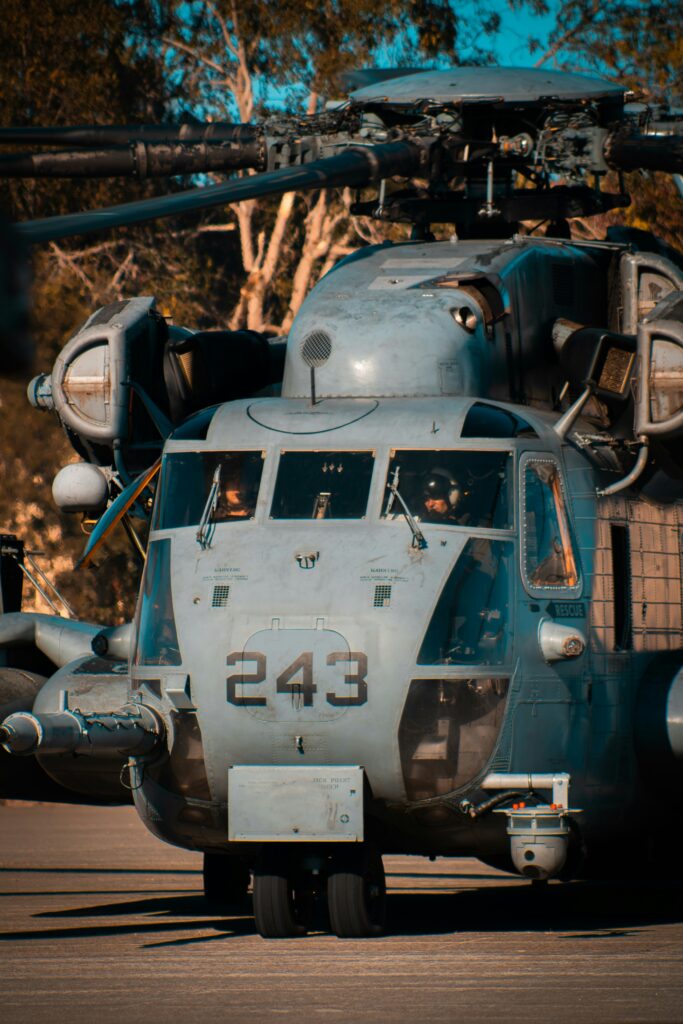
Military aviation continues to evolve rapidly as nations invest in advanced technologies to gain superiority in the skies. Emerging innovations are transforming aircraft capabilities, operational strategies, and the overall landscape of modern warfare. From artificial intelligence to hypersonic systems, these technologies are redefining what is possible in aerial combat.
Unmanned and Autonomous Aircraft
Unmanned aerial vehicles (UAVs) and autonomous systems are increasingly central to military operations. These platforms can perform surveillance, strike missions, and logistical support without risking human pilots. Advances in artificial intelligence allow drones to operate in swarms, coordinate with manned aircraft, and execute complex missions with minimal human intervention.
Stealth and Low-Observable Technologies
Stealth technology continues to advance, making aircraft less detectable to radar, infrared, and acoustic sensors. New materials, coatings, and adaptive surfaces reduce visibility and enhance survivability. Emerging low-observable designs allow aircraft to operate in highly contested environments while minimizing the risk of detection.
Hypersonic and High-Speed Aircraft
Hypersonic aircraft, capable of speeds exceeding Mach 5, are set to revolutionize military aviation. These platforms offer rapid strike capabilities, extreme maneuverability, and the ability to penetrate advanced air defenses. Hypersonic technology also extends to missiles, enhancing strategic and tactical options.
Advanced Avionics and Sensor Integration
Modern military aircraft are equipped with sophisticated avionics and sensor systems that provide unparalleled situational awareness. Sensor fusion combines radar, infrared, and electronic intelligence to give pilots a comprehensive view of the battlefield. Enhanced targeting systems improve accuracy and mission efficiency.
Directed Energy Weapons
Directed energy weapons, including lasers and high-powered microwaves, are emerging as viable options for air combat. These systems can disable enemy sensors, intercept incoming missiles, and provide precise, cost-effective defensive and offensive capabilities without relying on traditional munitions.
Network-Centric Warfare and Connectivity
Emerging technologies emphasize the integration of aircraft into networked warfare systems. Real-time data sharing between manned and unmanned platforms, satellites, and ground forces allows for coordinated operations and faster decision-making. This connectivity enhances effectiveness in both combat and intelligence missions.
Artificial Intelligence and Decision Support
AI is playing an increasingly important role in military aviation. Machine learning algorithms assist with mission planning, target identification, and threat assessment. AI-enabled systems can process vast amounts of data quickly, providing pilots with actionable insights and enhancing operational efficiency.
The Future of Military Aviation
The future of military aviation will likely be dominated by unmanned and autonomous systems, hypersonic platforms, and AI-driven decision-making. Emerging technologies will enable more precise, flexible, and survivable operations, reshaping air combat and strategic planning for decades to come.
Conclusion
Emerging technologies in military aviation are driving profound changes in how air forces operate. From autonomous drones to hypersonic aircraft and advanced sensors, these innovations enhance capability, survivability, and efficiency. As development continues, military aviation will remain at the forefront of technological advancement, shaping the future of modern warfare.


